
What “As-Is” Really Means (And When It Makes Sense)
If you’ve owned your home for 10, 20, or even 30 years, chances are it has served your family well. But now that the kids are grown, the upkeep feels endless, or you’re considering moving closer to loved ones, you may be wondering what your options are when it comes time to sell.
One term you’ve probably heard is “as-is.” But what does that actually mean — and when does it make sense?
Here are 5 things homeowners should know before deciding whether selling “as-is” is the right move.
1. “As-Is” Doesn’t Mean You’re Hiding Problems
Many homeowners worry that selling “as-is” sounds dishonest or irresponsible. In reality, it simply means you’re selling the property in its current condition without making repairs or renovations beforehand.
Buyers still typically perform inspections, and sellers are expected to disclose known issues honestly. The difference is that you’re not committing to fixing every item that comes up.
For many longtime homeowners, this removes a major source of stress and uncertainty.

2. It Can Save You Time, Money, and Energy
Preparing a home for the traditional market can be overwhelming — especially if the house needs updates or deferred maintenance has piled up over the years.
Common expenses often include:
Roof repairs
Painting and flooring updates
Landscaping and cleanup
Cleaning out years of belongings
Realtor commissions and staging costs
Selling as-is can eliminate many of these expenses and help simplify the process, particularly for homeowners who no longer want to manage a large property or ongoing projects.
3. It Often Makes Sense During Life Transitions
There are seasons in life when convenience matters more than squeezing every possible dollar out of a property.
Selling as-is may make sense if you are:
Downsizing after becoming an empty nester
Relocating to be closer to children or grandchildren
Handling an inherited property
Tired of ongoing maintenance and repairs
Looking for a simpler, faster transition
For many homeowners in their 60s and 70s, reducing stress and avoiding months of uncertainty can be just as valuable as the sale price itself.
4. Not Every Home Needs Major Renovations to Sell
One of the biggest misconceptions is that every home needs a complete remodel before selling.
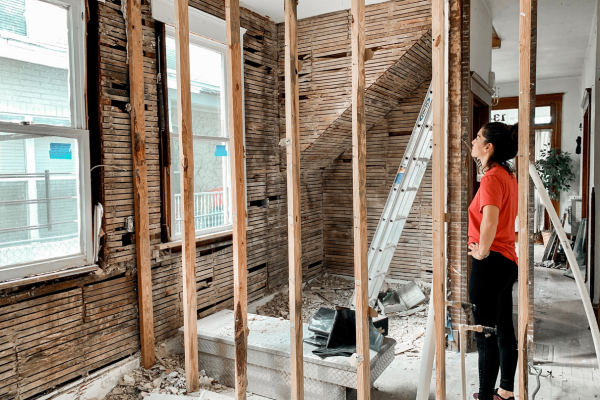
In reality, many buyers — especially investors or experienced property buyers — are comfortable purchasing homes that need cosmetic updates or repairs. Often, they prefer to handle improvements themselves according to their own plans and budget.
That means you may not need to invest tens of thousands of dollars fixing things you no longer want to manage.
5. The Right Buyer Makes All the Difference
If you’re considering selling as-is, it’s important to work with buyers who are transparent, respectful, and experienced.
A good buyer should:
Clearly explain the process
Respect your timeline
Avoid pressuring you
Help make the transition easier, not harder
Selling a longtime family home is a major decision. The right approach depends on your goals, your timeline, and what matters most to you in this next chapter of life.
Sometimes, peace of mind and simplicity are worth more than another round of repairs.
